 Logan Lamarr
 Homes are constantly exposed to temperature shifts, but not all roofing materials respond to those changes in the same way. In regions where summers are hot, winters are cold, and weather can swing dramatically from one season to the next, roofing performance becomes a long-term concern rather than a short-term consideration. This is one of the main reasons homeowners increasingly turn to metal roofing when evaluating options that can withstand extreme temperature changes without compromising durability or comfort.
Temperature extremes place continuous stress on a roof. Materials expand, contract, absorb heat, release cold, and react to moisture differently depending on their composition. Understanding why metal roofing handles these conditions so effectively helps homeowners make informed decisions that go beyond surface-level durability claims.
How Roofing Materials Respond to Temperature Stress
All roofing materials react to temperature changes, but the way they respond determines how well they age over time. Asphalt shingles, for example, rely on flexibility to accommodate movement. In extreme heat, they can soften, lose granules, or degrade faster. In extreme cold, they can become brittle and more susceptible to cracking.
Metal roofing responds differently. Rather than relying on material softness, it is engineered to manage movement through design. Panels are manufactured and installed in a way that allows controlled expansion and contraction. This ability to move predictably is one of the reasons metal roofing performs reliably in environments with frequent or dramatic temperature shifts.
Expansion and Contraction Is Expected, Not a Weakness
A common misconception is that metal roofing expansion and contraction is a problem. In reality, this movement is fully anticipated and accounted for in properly designed systems. Metal naturally responds to heat by expanding and to cold by contracting, but when installed correctly, this movement is managed without damaging the roof or the structure beneath it.
Fastening systems, panel profiles, and spacing are all designed to allow this motion to occur safely. When these elements work together, the roof adapts to temperature changes rather than resisting them. This controlled flexibility is what allows metal roofing to perform consistently across seasons without suffering the fatigue that affects many traditional materials.
Performance in Extreme Heat Conditions
High temperatures and prolonged sun exposure can accelerate the aging of many roofing materials. Asphalt-based products often absorb heat, which can lead to faster deterioration, higher attic temperatures, and increased cooling demands inside the home.
Metal roofing reflects a significant portion of solar radiation rather than absorbing it. This reflective quality helps reduce heat buildup on the roof surface and can contribute to a more stable indoor temperature. While insulation and ventilation play critical roles in overall comfort, the roof’s ability to limit heat absorption helps reduce stress on the entire system during hot weather.
Performance in Cold Weather and Freezing Temperatures
Cold climates present a different set of challenges, including freeze-thaw cycles, snow accumulation, and ice formation. Roofing materials that absorb moisture can deteriorate more quickly when temperatures fluctuate around the freezing point.
Metal roofing sheds snow efficiently, reducing buildup that can place stress on the roof structure. Snow tends to slide off rather than accumulate, which helps minimize ice-related issues. Because metal does not absorb moisture, it is less affected by freeze-thaw cycles that can damage other materials over time. This performance is particularly valuable in climates where winter conditions are unpredictable and prolonged.
Managing Rapid Temperature Swings
Some of the most demanding conditions for a roof occur not during sustained heat or cold, but during rapid temperature swings. A roof may experience freezing temperatures overnight followed by warmer daytime conditions, placing repeated stress on materials.
Metal roofing is well-suited to these conditions because its movement is predictable and consistent. Rather than cracking or breaking down under repeated expansion and contraction, the material adjusts as designed. This resilience helps explain why metal roofs often maintain their integrity for decades, even in challenging climates.
The Role of Installation in Temperature Performance
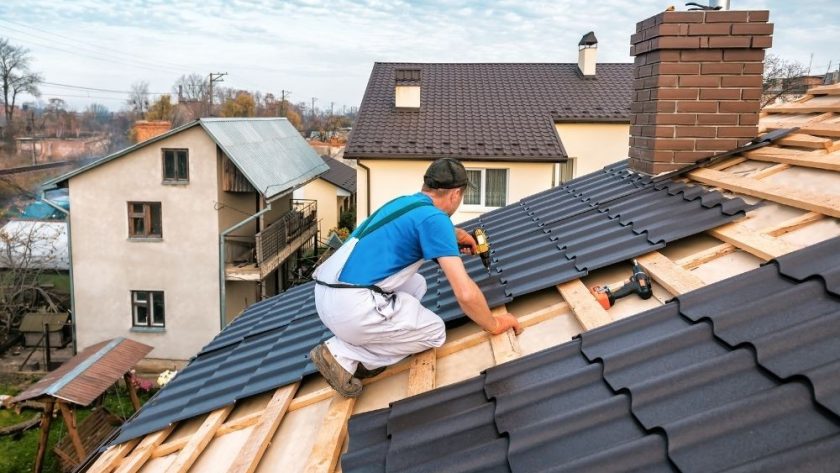
While metal roofing is inherently well-suited to temperature extremes, performance still depends heavily on installation quality. Expansion joints, fastening methods, underlayment selection, and ventilation all influence how well the roof manages thermal movement.
If movement is restricted due to improper fastening or design, even metal roofing can experience unnecessary stress. This is why installation must treat the roof as a complete system rather than a collection of panels. Homeowners who understand this relationship are better equipped to evaluate quality and avoid issues that stem from shortcuts rather than material limitations.
Comfort Inside the Home Is Closely Linked to Roof Performance
Roof performance directly affects indoor comfort, especially in regions with extreme temperature changes. A roof that absorbs excessive heat or allows cold to penetrate can increase energy demands and reduce comfort.
Metal roofing contributes to a more stable interior environment by limiting heat absorption and resisting moisture intrusion. While it is not a replacement for proper insulation or ventilation, it works in tandem with these elements to support year-round comfort.
This balanced performance helps homeowners maintain consistent indoor conditions without placing unnecessary strain on heating and cooling systems.
Long-Term Durability Under Temperature Stress
Repeated exposure to extreme temperatures is one of the main reasons traditional roofs require replacement. Materials that degrade under heat, crack under cold, or fatigue under constant movement simply do not last as long.
Metal roofing is designed with these stresses in mind. Its resistance to UV exposure, moisture, and temperature-related degradation allows it to maintain performance over extended periods. This durability is not theoretical; it is reflected in real-world longevity and reduced replacement cycles.
Why Temperature Performance Affects Long-Term Value
A roof that performs well across temperature extremes contributes to long-term value in multiple ways. Reduced maintenance, fewer repairs, and longer service life all support a stronger return on investment.
For homeowners planning to stay in their homes long-term, this reliability provides peace of mind. For those considering future resale, a roof known for durability and performance can be a meaningful selling point, particularly in regions with demanding climates.
Understanding Performance Leads to Better Decisions
Extreme temperature changes are not an occasional challenge for a roof; they are a constant reality in many regions. Choosing a roofing system that is designed to handle this reality helps homeowners avoid premature wear and unexpected costs.
By understanding why metal roofing performs so well in these conditions, homeowners can make decisions grounded in performance rather than assumptions. When installed properly and paired with thoughtful design, metal roofing offers a level of resilience and consistency that few materials can match.