

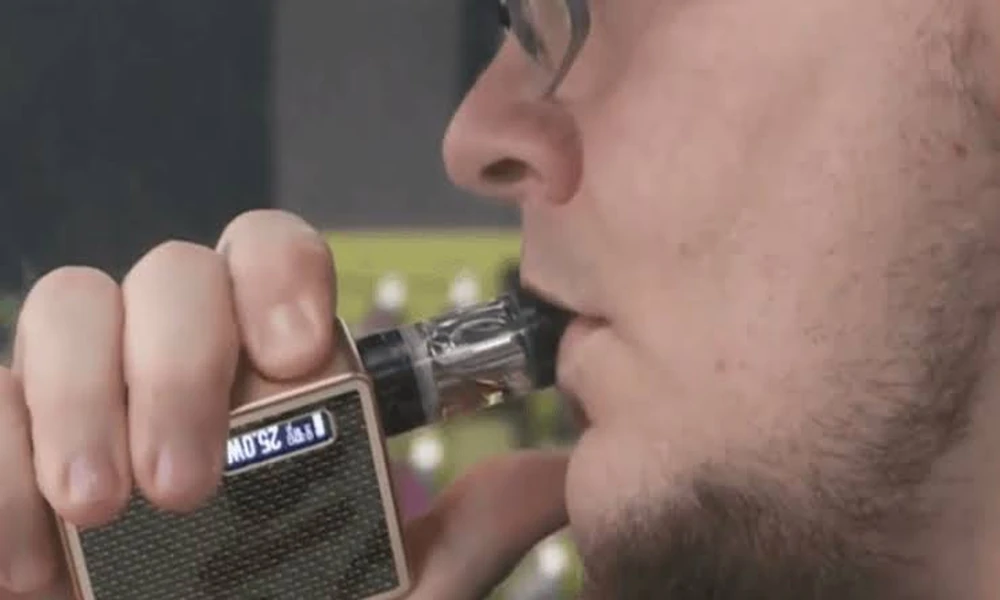
Vape quality gets assessed through laboratory analysis of the oil, combined with hands-on evaluation of how the finished device actually performs in real sessions. Labs verify cannabinoid content, terpene levels and formulation cleanliness, while practical testing measures draw consistency, flavour accuracy and hardware behaviour across a full session. The best thca vapes by FLCannabisDeals rely on both sides of this process, since numbers printed on a certificate and real-world performance together tell the complete story of any product. Neither half stands alone in a serious review, because oil can test perfectly yet sit inside hardware that never lets it shine, while strong hardware reaches its potential only when quality oil fills the chamber.
Laboratory verification stage
Analysis begins with the oil itself, confirming the product contains exactly what its label claims before any other testing proceeds. Accredited labs run samples through instruments that separate and measure every compound present, producing certificates that anchor all further evaluation down the line.
- Potency confirmation – Measured cannabinoid percentages get checked against label claims, with tight agreement signalling honest production.
- Terpene mapping – Individual aromatic compounds get identified and quantified, previewing the flavour character reviewers should encounter later.
- Screening panels – Tests for residual solvents, heavy metals and microbial content confirm the oil meets cleanliness expectations before anyone draws from it.
Hardware evaluation methods
Device assessment moves testing from paper to practice, examining how the physical product delivers its verified oil. Reviewers measure draw resistance for comfort, count puffs per charge cycle, watch for consistent vapour volume from a full chamber to an empty one and check whether preheat modes actually help thick extract flow properly. Battery behaviour earns close attention, too, since output that fades before the oil runs out changes the experience noticeably in the final stretch of a device’s life. Airflow gets tested across draw styles, from short pulls to extended inhales, confirming the hardware serves different user habits equally well regardless of personal technique.
Sensory scoring practice
Trained evaluation of flavour, aroma and vapour texture translates chemistry into experience, completing what instruments alone cannot capture. Reviewers compare the tasted profile against the lab’s terpene map, checking whether the strain character survives the journey from certificate to actual draw in the hand. Smoothness on the throat, aroma accuracy from the first puff and flavour stability deep into the session all receive structured scores on a shared scale. Multiple sessions across several days strengthen these judgments, since first impressions occasionally shift once a device settles into regular use and the chamber level gradually drops.
Consistency across samples
Repeat testing across multiple units of the same product separates dependable lines from lucky single samples. Evaluators source several units, run identical protocols on each and compare results for close agreement across the board. Products earning strong marks deliver matching draw quality, matching flavour, and matching lab numbers across every unit tested during the review window. Uniformity like this reflects controlled manufacturing behind the scenes, and it predicts what any future buyer will experience far better than one standout sample ever could.
Quality assessment blends verified chemistry, measured hardware performance, structured sensory review and cross-sample consistency into a single complete judgment. Products passing all four stages earn their standing honestly, giving shoppers evaluations they can rely on with confidence.